ABOUT

What we do at the Workshop

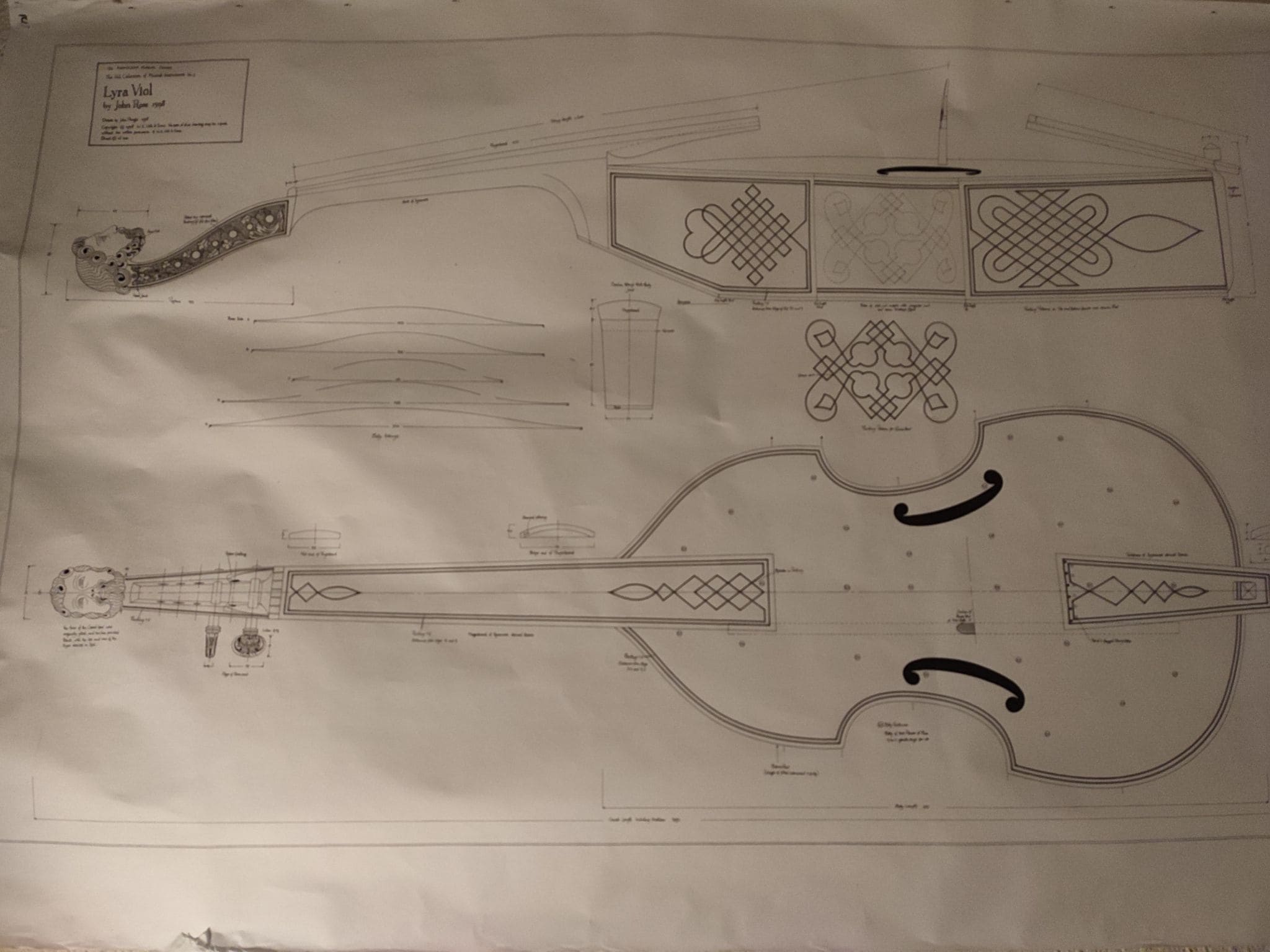
Historical research & design

Before an instrument is built, every project begins with thorough historical research. This may involve taking measurements from original instruments preserved in museums or studying period paintings and other iconographic sources.

The next step is to produce a precise technical drawing of the instrument using only a compass and straightedge.

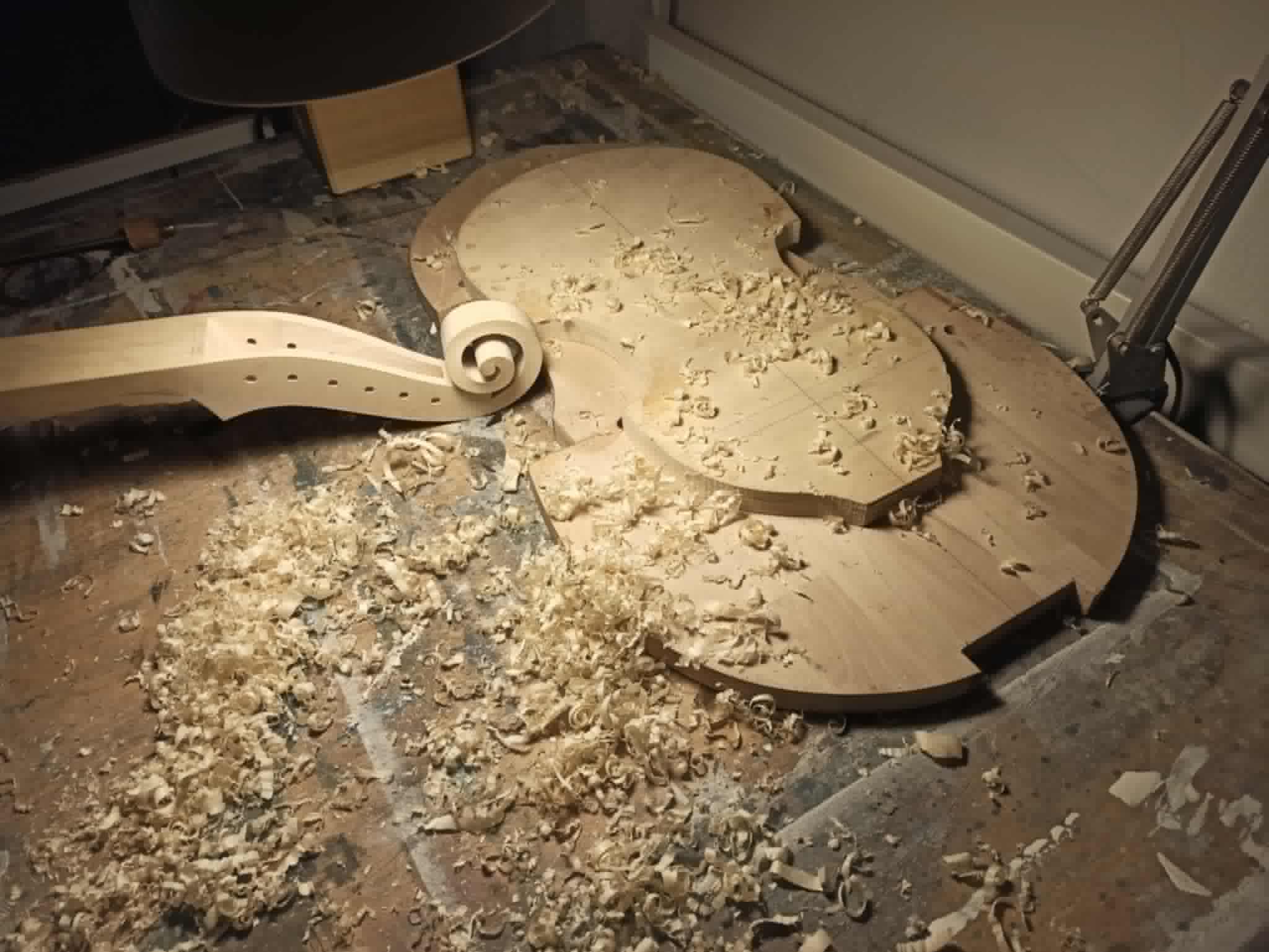
Making

The methods of instrument making during the Baroque period, and even in earlier times, varied considerably according to the instrument family—whether viols or violins—as well as the geographical region in which they were made. Every effort is made to respect these historical specificities so that each instrument is crafted as faithfully as possible to its original tradition.

Each instrument is made entirely in the workshop using traditional techniques.

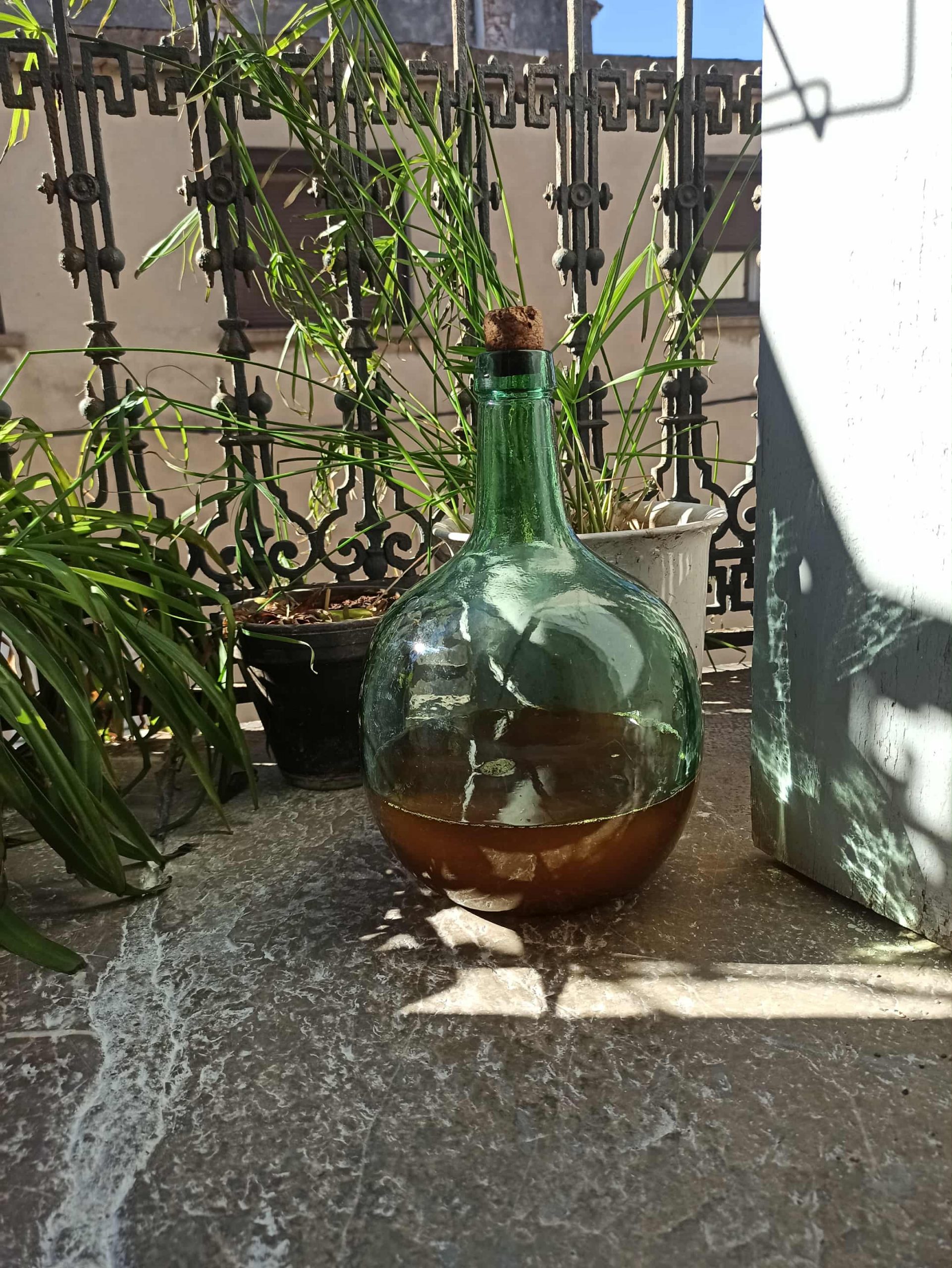
Historical set-up& varnish

As with instrument making, developing a varnish requires both historical and scientific research in order to reproduce the materials and methods used in the period. Our varnishes are made and applied in the workshop using traditional techniques handed down by the old masters.

As for the setup, each instrument is prepared for historically informed performance, with every element carefully designed to suit the interpretation of period music.

COMMISSIONING AN INSTRUMENT


In addition to the instruments available for sale in the workshop, you may also commission a custom-made instrument. This allows us to tailor the instrument’s size and setup to suit your playing style and individual requirements.

If you would like to discuss a commission, please feel free to contact us or visit the workshop.

Our standard models feature a plain fingerboard, simple purfling, and a pierced pegbox. Upon request, a wide range of decorative options can be incorporated, including ebony purfling or inlays, a carved head, an ornamental rose, and other historical embellishments.